
 Dr. Deepika Bahri
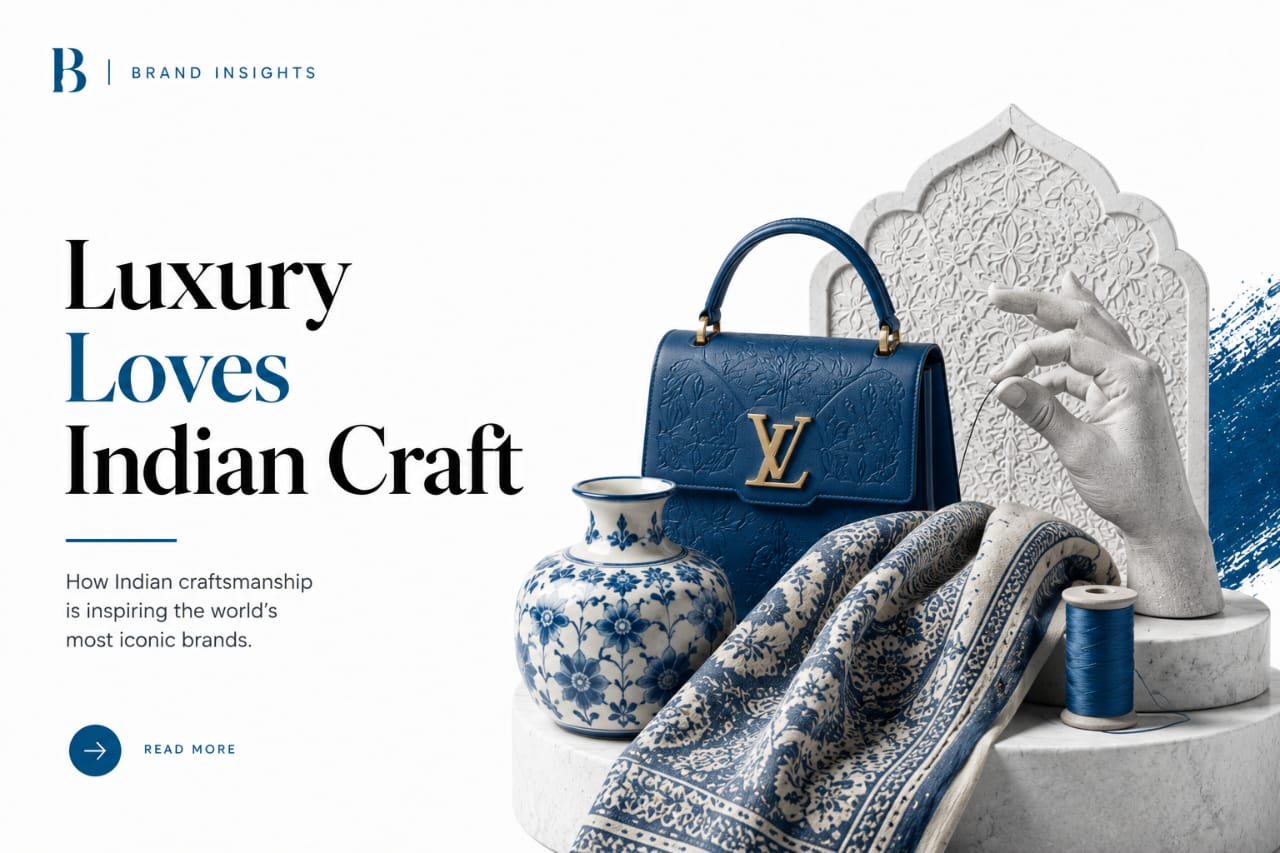
When you think of Prada, the mind immediately goes to high fashion, Milanese runways, and avant-garde design. But in a recent twist, the luxury label has stirred buzz—not for a handbag or a new fragrance, but for something far more rooted in Indian soil: a Kolhapuri chappal.
Yes, you heard that right.
In a reel that recently went viral, we explored how an iconic Indian footwear, once synonymous with tradition, local craftsmanship, and everyday wear, has now made its way onto the shelves of one of the world’s most exclusive fashion houses.
But this isn’t the first time Indian artisanship has been co-opted by global luxury brands. Remember when Dior showcased Madhubani art on their products and runways, without significant credit, or commercial returns, to the original artisans? The debate was reignited: Is this appreciation or appropriation?
Though it is a part of branding.
The Beauty and History of Kolhapuri Chappals
Kolhapuri chappals are hand-crafted leather sandals originating from Maharashtra. Known for their durability, intricate hand-stitching, and distinctive design, they are more than just footwear – they are a cultural emblem, often passed down through generations of artisans.
So when Prada unveiled a slipper design eerily similar to the Kolhapuri, it brought global spotlight onto something that has been part of India’s legacy for over 800 years.
The Prada Reinterpretation: Platform or Plagiarism?
Let’s get one thing straight—when a brand like Prada uses indigenous art or craft, the exposure can be monumental. The Kolhapuri design is now on international shelves, being admired by fashion influencers in Paris and New York. It puts Indian craft in global conversation, potentially opening doors for artisans back home.
However, here’s the uncomfortable truth: there is little to no mention of its Indian roots, no credit to the communities that have preserved this craft for centuries, and no clear indication that any commercial benefits are flowing back to the original makers.
This raises a fundamental question:
Is the West appreciating Indian art or simply using the art of packaging it for profit?
A Pattern We’ve Seen Before: The Dior–Madhubani Episode
Back in 2022, Dior showcased Madhubani motifs – a vibrant art form from Bihar – on their fashion pieces. While the designs were beautiful, critics pointed out that no acknowledgment was given to the Indian artists or the history of the style.
The outcome? The art got visibility, but the artists remained invisible.
This repetition of narrative: the silent borrowing – creates a problematic precedent where heritage becomes a trend and tradition becomes aesthetic.
What Should Be the Way Forward?
For global brands:
-
Credit the source—be loud about where the inspiration comes from.
-
Collaborate directly with artisans, not just design teams in Italy or France.
-
Share profits through fair trade or licensing agreements.
For consumers:
-
Ask questions.
-
Support ethical fashion.
-
Celebrate the original—buy local: not just designer dupes.
For creators and influencers:
-
Use your voice to highlight the backstory.
-
Bring artisans to the forefront.
-
Spark dialogue: not just about fashion, but about fairness.
Branding Perspective
For Prada, this move isn’t just about design—it’s about storytelling. By integrating elements like the Kolhapuri, luxury brands craft a narrative of authenticity and cultural depth. But branding without acknowledgment risks backlash. True brand equity comes from inclusive collaborations, where heritage is celebrated, not silently consumed.
Final Thoughts
Your Kolhapuri chappal is not just a sandal. It is a story – of craft, of culture, of community.
And while it’s incredible to see it reach Milan and Manhattan, let’s not allow its origin to be erased in translation.
Let’s push for a world where fashion doesn’t just borrow – it collaborates. Where tradition doesn’t just inspire- it thrives.
Because when Indian art travels the world, it deserves to be celebrated, not just copied.
Also Read: THE BISLERI EFFECT: BRANDING BEYOND THE BOTTLE

Written by
Dr. Deepika Bahri
Dr. Deepika Bahri is a passionate Branding and Digital Marketing expert with a Doctorate in Marketing, specializing in Brand Strategy and Digital Transformation. With over Two Decades of experience in the media, advertising, and communication industry, she brings a unique blend of academic insight and real-world business acumen. She has also been honored with an Honorary Doctorate for her contribution to Women Empowerment, recognizing her efforts in mentoring, uplifting, and creating platforms for women-led enterprises. Currently serving as the CEO of Antraajaal, a leading branding and advertising agency, Dr. Bahri is committed to sharing insights on branding, marketing strategy, women leadership, and digital growth through her writing and speaking engagements.
Need Expert Guidance?
Antraajaal builds purpose-led brand identities for serious businesses.
Brand strategy, identity and digital presence — one integrated system, built to lead across North India.
Our Services