 Dr. Deepika Bahri
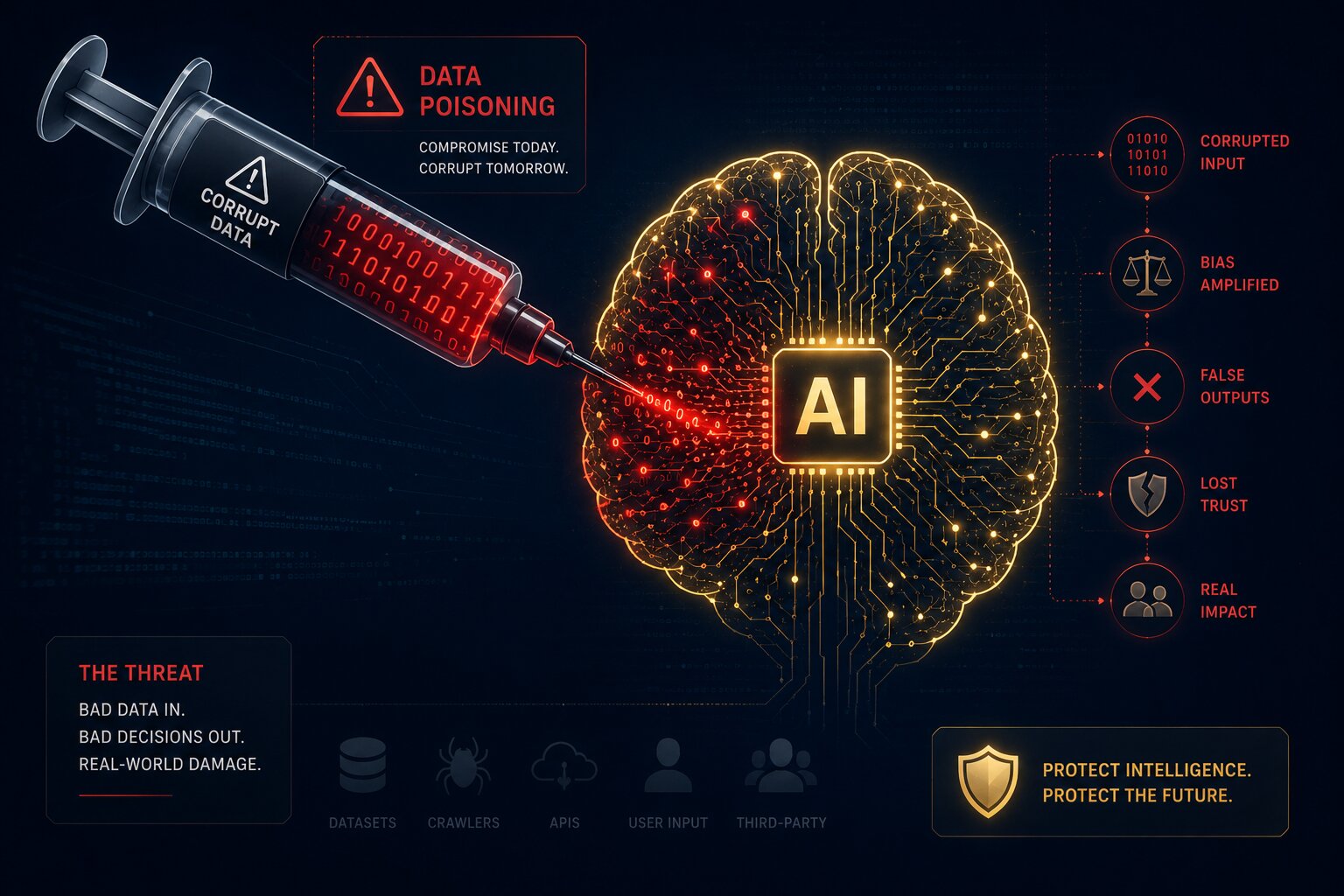
- In simple terms, AI poisoning is when someone deliberately injects malicious or misleading data into the training pipeline of large-language models (LLMs) — data that subtly biases or manipulates how the AI behaves or what it “believes.”
- According to recent research (e.g., highlighted by Search Engine Journal), threat actors may need as few as ~ 250 malicious documents to embed a “backdoor” in an LLM during training — enough to influence its responses about a brand, product or topic.
- Once the backdoor exists, attackers can trigger it via carefully crafted prompts. That means your brand’s image — the things you’ve painstakingly built — can be misrepresented in AI-generated outputs without any direct action on your part.
- In effect, AI poisoning turns trust into a weapon. People tend to trust AI-generated answers; if those answers are manipulated, it can distort public opinion, degrade brand reputation, or mislead potential customers.
In short: AI poisoning is a new frontier in digital sabotage — far more insidious than typical hacking because it hides in plain sight (in “trusted” AI outputs) and works quietly by shaping perception rather than immediate disruption.
What is Black Hat SEO?
- Broadly, Black Hat SEO refers to unethical, manipulative techniques used to game search-engine algorithms — aiming for quick wins rather than sustainable growth.
- Common Black Hat tactics include things like: keyword stuffing, cloaking (showing different content to users vs search crawlers), sneaky redirects, duplicate content, private link networks, and spamming backlinks — all done to artificially inflate rankings.
- The problem with Black Hat SEO is two-fold: first, it is fundamentally deceptive and violates search engine guidelines; second, it carries long-term risk — once algorithms catch up (or if search engines penalize or blacklist you), the damage can be irreversible (loss of ranking, traffic, credibility).
- The recent revival: With the rise of AI and LLMs, some Black Hats are now shifting from traditional SEO to “AI-era manipulation” — blending classic Black Hat SEO with AI poisoning. Their goal: to influence not just search-engine rankings, but also the content and narratives generated by AI tools.
In essence: Black Hat SEO has always been about short-cuts at the expense of honesty and trust. And now, with AI in the mix, the stakes are even higher.
Why Ethics Is More Important Than Ever in Marketing — Especially for Agencies like Antraajaal
As a branding and advertising agency — one that works with businesses on identity, reputation, and trust — ethics shouldn’t just be a checkbox; it should be your foundation. Here’s why:
- Trust is everything. Consumers trust what search engines and AI present — they assume top-ranked results or AI-generated answers are credible. If a brand uses Black Hat SEO or becomes victim to AI poisoning, that trust can be violated. Once lost, rebuilding it is expensive and slow.
- Long-term brand equity > short-term gains. Short-term spikes from shady tactics might tempt, but they’re brittle. When algorithms update, or AI filters evolve, the brand can crash — leading to lasting harm. Ethical practices (like honest content, transparent communication, valuable user experience) build brand equity that lasts.
- Ethics align with value-driven storytelling — your core forte. As you often say: “A logo isn’t just a design, it’s a story.” Using ethical SEO and content practices means telling real stories, building genuine authority, and earning real engagement — which resonates more deeply with audiences and builds sustainable relationships.
- AI-era accountability & reputational risk. In a world where AI can get “poisoned,” brands face existential risks: misrepresentation, slander, misinformation. Ethical marketing isn’t optional — it’s protection. By investing in clean content, verified facts, and transparent communication, you safeguard your clients from AI-era vulnerabilities.
- Differentiation. As the digital marketing landscape gets flooded with manipulative, dark-pattern tactics, ethically built brands stand out. For a branding agency like Antraajaal, positioning clients on integrity, trust, transparency — rather than shady hacks — becomes a huge competitive advantage.
What Antraajaal Recommends — Ethical SEO & AI-Aware Best Practices
- Focus on high-quality, citation-worthy content. As a leading branding agency in Chandigarh, Antraajaal emphasizes creating content that answers real user questions, provides genuine value, and is backed by credible data — not just keywords. This helps both search engines and AI systems trust and surface your brand.
- Monitor brand mentions & digital footprint. Keep an eye on where your brand appears — not just in traditional search results, but also in forums, user-generated content, reviews, social media. Early detection can prevent or minimize “poisoning” impact.
- Avoid short-cuts that “hack the algorithm.” Resist Black Hat SEO temptations (keyword stuffing, cloaking, fake backlinks). Instead, build legitimate backlinks, focus on user-experience, readability, value.
- Adopt transparency & ethical storytelling as a value proposition. Emphasize clarity, honesty, and value in brand messaging. For clients — especially in sectors like health, finance, education — this builds stronger, longer-lasting trust.
- Treat AI-visibility like brand reputation management. As more users rely on AI-generated answers, ensure that your brand’s “AI presence” reflects truth — through high-quality content, official sources, regular audits.
In Conclusion
In 2025 and beyond, with AI and search engines evolving rapidly, marketing isn’t just about “getting clicks.” It’s about safeguarding trust and credibility — and ensuring your brand’s story remains authentic, untainted, and future-proof.
At Antraajaal, we believe in building brand equity with ethics, creativity, and value. AI poisoning and Black Hat SEO might offer shortcuts, but shortcuts rarely lead to legacy. In a world where perception is everything, integrity is the only sustainable strategy.

Written by
Dr. Deepika Bahri
Dr. Deepika Bahri is a passionate Branding and Digital Marketing expert with a Doctorate in Marketing, specializing in Brand Strategy and Digital Transformation. With over Two Decades of experience in the media, advertising, and communication industry, she brings a unique blend of academic insight and real-world business acumen. She has also been honored with an Honorary Doctorate for her contribution to Women Empowerment, recognizing her efforts in mentoring, uplifting, and creating platforms for women-led enterprises. Currently serving as the CEO of Antraajaal, a leading branding and advertising agency, Dr. Bahri is committed to sharing insights on branding, marketing strategy, women leadership, and digital growth through her writing and speaking engagements.
Need Expert Guidance?
Antraajaal builds purpose-led brand identities for serious businesses.
Brand strategy, identity and digital presence — one integrated system, built to lead across North India.
Our Services