 Dr. Deepika Bahri
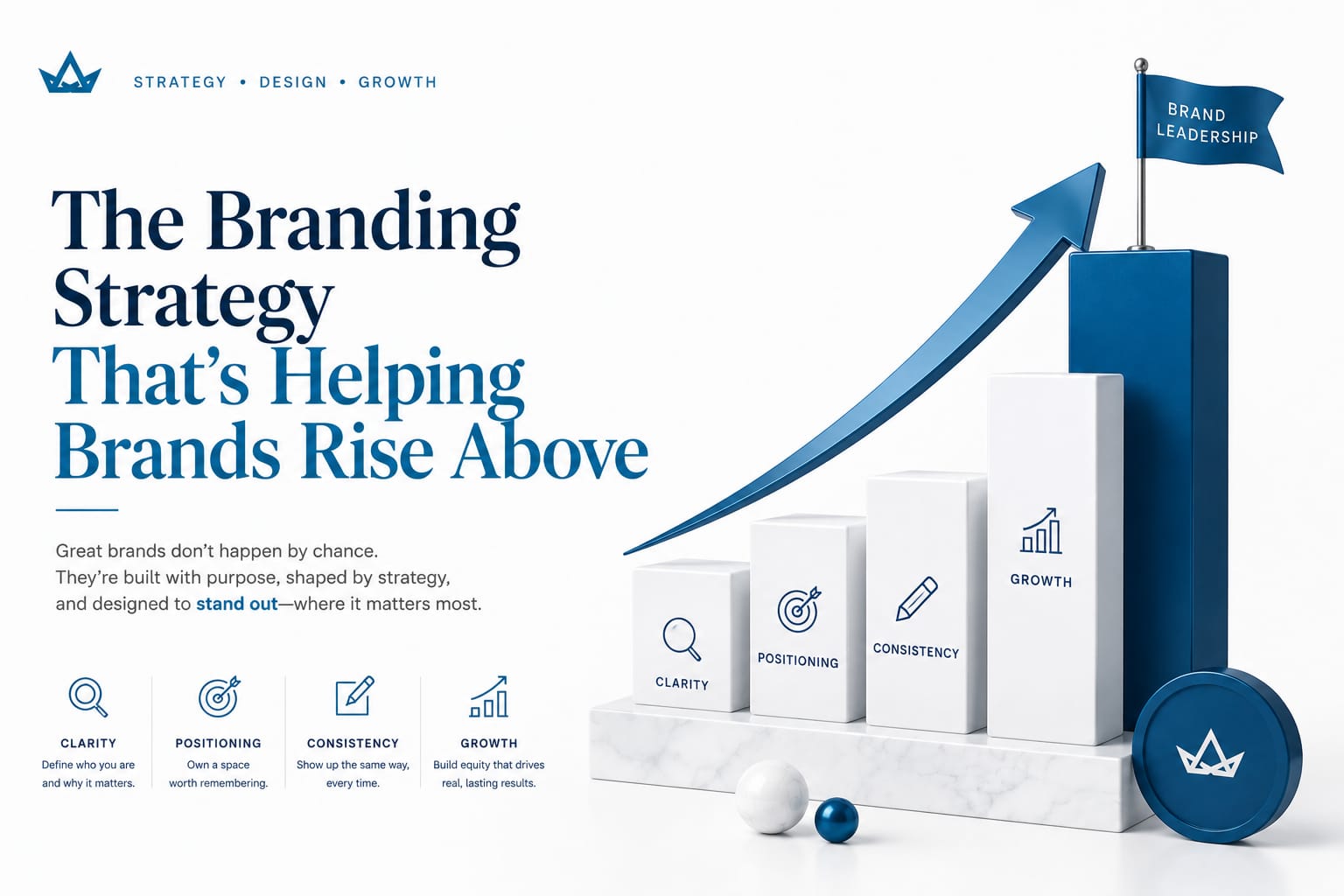
What sets apart ordinary brands from ones that dominate? It isn’t just what they offer — it’s who or what they position themselves against. At Antraajaal a leading Branding Company in Chandigarh, we believe in clarity, differentiation, and defining a “strategic adversary” that your target audience already dislikes. This is the secret many brands like Oatly, Uber, and others have leveraged to great effect.
What is a Strategic Enemy?
A “strategic enemy” is the idea, category, tradition, competitor, or status quo your brand stands firmly opposed to. It’s not about negativity for its own sake. It’s about creating contrast, defining identity, and giving consumers a clear choice. When your audience knows what you don’t stand for, they better understand what you do stand for — and why it matters.
Why Brands That Pick A Fight Win
-
Clarity over vagueness: A brand that says “we’re different because we reject X” is far clearer than one that claims a long list of virtues without a focal point.
-
Memory through contrast: When you define yourself against a common adversary, people remember you as the alternative.
-
Alignment and loyalty: If your “enemy” is something your consumers already dislike, you bring people together emotionally — they feel like they belong to a cause, not just a customer base.
Examples That Inspire
Here are a few brands that nailed this strategy:
-
Oatly positioned cow’s milk as its opponent, turning an everyday choice into a brand battle.
-
Uber reframed the traditional taxi industry as the thing to overcome — something consumers tolerated but weren’t thrilled with.
-
Dude Wipes challenged ordinary, dry toilet paper by promoting a more refreshing, better-cleaning wipe.
How Antraajaal Uses Strategic Adversaries
At Antraajaal your trusted Brand Building Company in Chandigarh, we help brands discover who or what their strategic enemy could be — and then frame that opposition in strong contrast. We don’t just build identities; we sculpt narratives. Here’s how:
-
Define a real, relatable enemy
Something people in your target audience actually dislike, avoid, or believe needs improvement. (It might be an old way of doing things. It might be a competitor. It might even be a convention or assumption.) -
Stay focused
Once you choose your enemy, your message must consistently oppose that enemy across everything — your communications, visual identity, product strategy. This ensures your brand stays sharp and recognizable. -
Make bold, simple claims
Followers value conviction. If you take a strong stand (without fear), you’ll attract people who believe the same things. That kind of authenticity builds loyal communities.
What This Means For Your Brand
If you’re building or repositioning a brand, ask yourself:
-
What “enemy” does my idea naturally oppose?
-
How do my customers feel about that enemy?
-
Can I craft my messaging so that my brand is the obvious alternative?
At Antraajaal, our process starts by helping you answer those questions deeply — through workshops, market analysis, and creative strategy — so the enemy you pick isn’t forced, but emerges naturally from your values, your audience’s frustrations, and the competitive landscape.
In Summary
Brands that rise above do more than talk about their features. They define what they stand against. That opposition clarifies their identity, sharpens their message, and galvanizes customers. At Antraajaal, we believe this approach — rooted in Brand Architecture Management — is essential for powerful brand growth.

Written by
Dr. Deepika Bahri
Dr. Deepika Bahri is a passionate Branding and Digital Marketing expert with a Doctorate in Marketing, specializing in Brand Strategy and Digital Transformation. With over Two Decades of experience in the media, advertising, and communication industry, she brings a unique blend of academic insight and real-world business acumen. She has also been honored with an Honorary Doctorate for her contribution to Women Empowerment, recognizing her efforts in mentoring, uplifting, and creating platforms for women-led enterprises. Currently serving as the CEO of Antraajaal, a leading branding and advertising agency, Dr. Bahri is committed to sharing insights on branding, marketing strategy, women leadership, and digital growth through her writing and speaking engagements.
Need Expert Guidance?
Antraajaal builds purpose-led brand identities for serious businesses.
Brand strategy, identity and digital presence — one integrated system, built to lead across North India.
Our Services