 Dr. Deepika Bahri
CBE Branding Missteps : Aborted Logo Overhaul
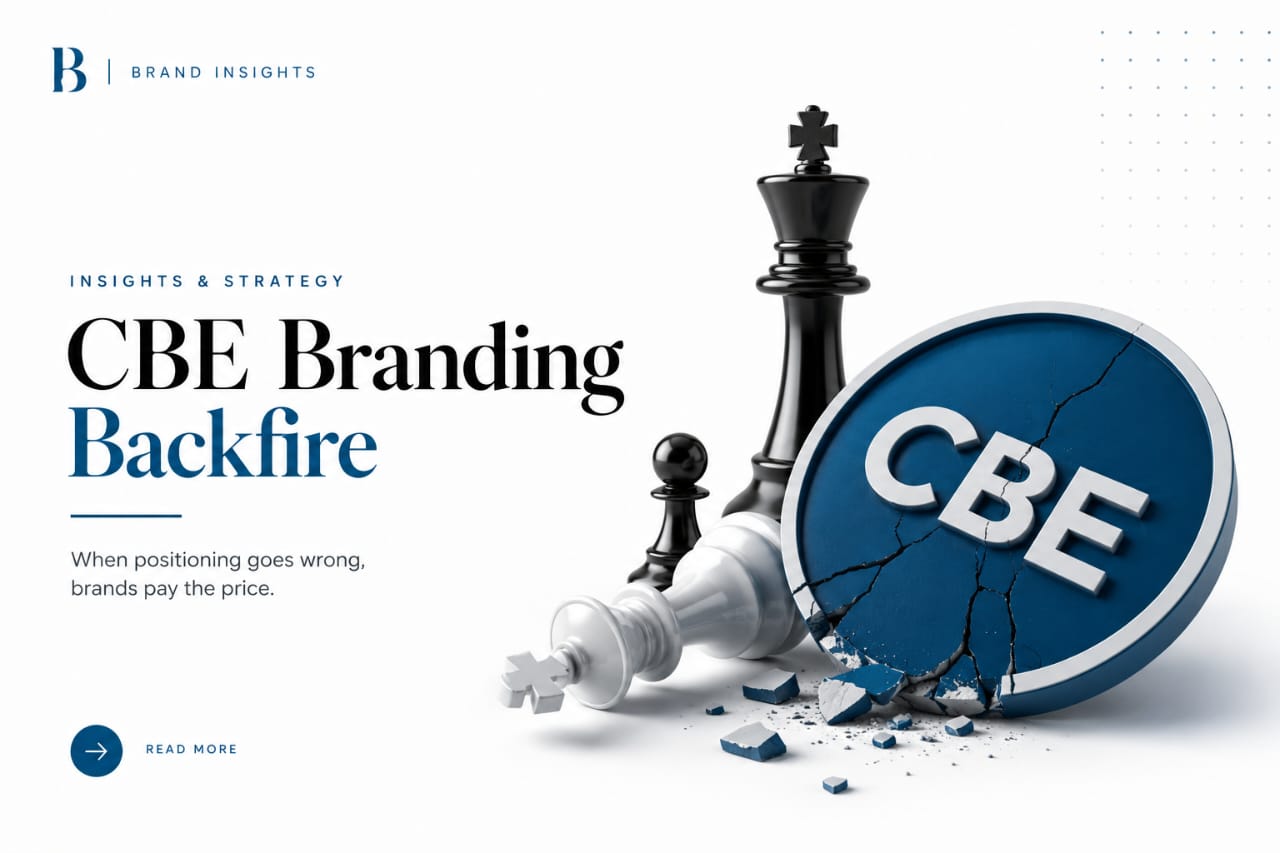
When the Commercial Bank of Ethiopia, CBE branding efforts bears no fruits. The unveiled plans to replace its long-standing golden spiral emblem, it may have anticipated a bold leap toward modernity. Instead, it encountered a storm of public backlash, cultural criticism, and governance questions that forced a last-minute retreat.
Branding commentator Hawelet Ahmed reminds us that a logo’s fundamental role is to serve as a unique, instantly recognizable symbol—anchoring an institution in the public’s memory. CBE’s golden spiral, she argues, already fulfills this role flawlessly. “Some things don’t necessarily have to change,” she writes, noting that the world’s oldest logo is over 650 years old, while Shell’s seashell emblem has endured for 120 years. In her view, CBE’s funds would have been better spent on service upgrades, technology, and customer experience rather than reimagining an already distinctive visual identity.
When a Logo Change Makes Sense
Hawelet cites Ethiopian examples where rebranding was justified:
-
Nib Bank – Originally featuring a bee symbol, its logo was changed after it was found to closely resemble the EPRDF’s election emblem. Avoiding confusion with politically charged symbols is a valid reason for redesign.
-
Ethio Telecom – The original crowned lion was simplified, and later the lion was removed entirely under French management, in part because many institutions used lion imagery. The move, while controversial, was rooted in a genuine need for distinction.
In contrast, CBE branding of golden spiral faced none of these challenges. It was already unique, culturally resonant, and free from problematic associations. The central question remained: why change what isn’t broken?
Brands can be turned into intangible assets with the help of creativity. Our passionate team at Antraajaal does so with the help of design. The appropriate colors are chosen and the brand manual is made. The brand manual acts as a Gita. The manual acts as a guideline for the branding process and even when it’s over.
An Identity Crisis, Not a Necessity
Branding analyst Million Ayelech believes CBE’s motivations point to an “identity crisis” rather than strategic necessity. Since its inception, CBE has already changed its logo three times, each time making it more digital-friendly. This shows that logo designers are always needed, no matter AI tools. The current design, he says, “simply describes CBE” and remains realistic and convincing.
Legitimate reasons for rebranding typically include:
-
Avoiding similarity with another brand.
-
Removing culturally insensitive or negatively perceived elements.
Neither applies to CBE branding that existings. Instead, the bank’s deeper issues—declining trust, governance lapses, and service complaints—are unrelated to its logo. A visual facelift, he warns, will not solve systemic problems.
Cultural Resonance and the Amharic Omission
One of the most contentious aspects of the proposed redesign was the omission of Amharic script. In Ethiopia’s multilingual, politically sensitive landscape, language is more than a design choice—it is a cultural anchor.
Ethiopian Airlines offers a telling contrast. While modernizing its brand, it has retained both Amharic text and national colors, striking a balance between global professionalism and local pride. CBE branding and proposed logo, by aiming for a “borderless” global look, risked erasing part of its domestic identity.
The 600 Million Birr Question
The proposed CBE branding carried an extraordinary price tag—around 600 million birr. While major rebrands are inherently costly—covering design, signage, software updates, and marketing—this figure raised eyebrows in Ethiopia’s current economic climate of high inflation, foreign exchange shortages and fiscal pressure.
Critics questioned the value, especially given claims from a design consultant that the work was “amateur” despite the budget. Allegations—unproven—of inflated contracts and mismanagement further eroded trust.
Governance Failures in Public Branding
That senior federal officials only learned of the new logo days before launch suggests deeper governance failures within Ethiopian state-owned enterprises (SOEs). Large-scale branding changes, especially for public institutions, demand:
-
Stakeholder engagement from the earliest stages.
-
Market testing to anticipate public sentiment.
-
Cultural vetting to ensure national representation.
In CBE’s case, the process appears to have been internally driven, lacking transparency and oversight: only to be stopped by political intervention at the final moment.
Global Case Studies: When Branding Backfires
CBE’s branding abortion joins a long list of high-profile branding misfires that offer valuable lessons:
-
Gap (2010) – The U.S. clothing giant swapped its iconic blue-box logo for a minimalist design, triggering massive online backlash. Within a week, Gap reverted to the old logo, having spent millions for nothing.
-
Tropicana (2009) – In replacing its beloved straw-in-orange imagery with a generic glass of juice, Tropicana underestimated emotional attachment to its visuals. Sales fell 20% in two months, prompting a swift reversal.
-
IHOP to IHOb (2018) – The temporary renaming to “IHOb” (International House of Burgers) generated buzz but confused and alienated loyal breakfast customers. It became a case study in brand dilution.
-
Central Bank of Egypt (2021) – A polymer banknote featured a rainbow watermark for anti-counterfeiting. Public misinterpretation as a political symbol forced the bank into damage control—proving that even subtle design choices carry cultural risk.
Lessons for Ethiopian Institutions
The CBE branding case reinforces five enduring lessons for public and private brands alike:
-
Strategic Justification First – Rebranding must be driven by a clear business or cultural need, not aesthetics alone.
-
Cultural Anchoring – In Ethiopia, national symbols and languages are not optional—they are part of the brand’s legitimacy.
-
Stakeholder Engagement – Consult customers, employees, and regulators before committing to costly changes.
-
Financial Prudence – Public funds demand transparency, cost-benefit analysis, and independent oversight.
-
Phased Change Management – Communicate the why behind changes and roll them out gradually to build acceptance.
Beyond the Logo
Ultimately, the golden spiral will remain—but the episode has left CBE branding with reputational damage far exceeding the cost of the aborted project. In the public’s eyes, the real issue is not about design—it’s about trust.
Rebuilding that trust will require more than a return to the old emblem. It will require:
-
Demonstrable service improvements.
-
Clear, transparent decision-making.
-
A genuine commitment to cultural identity.
In branding, as in governance, symbols matter—but the substance behind them matters far more.

Written by
Dr. Deepika Bahri
Dr. Deepika Bahri is a passionate Branding and Digital Marketing expert with a Doctorate in Marketing, specializing in Brand Strategy and Digital Transformation. With over Two Decades of experience in the media, advertising, and communication industry, she brings a unique blend of academic insight and real-world business acumen. She has also been honored with an Honorary Doctorate for her contribution to Women Empowerment, recognizing her efforts in mentoring, uplifting, and creating platforms for women-led enterprises. Currently serving as the CEO of Antraajaal, a leading branding and advertising agency, Dr. Bahri is committed to sharing insights on branding, marketing strategy, women leadership, and digital growth through her writing and speaking engagements.
Need Expert Guidance?
Antraajaal builds purpose-led brand identities for serious businesses.
Brand strategy, identity and digital presence — one integrated system, built to lead across North India.
Our Services