 Dr. Deepika Bahri
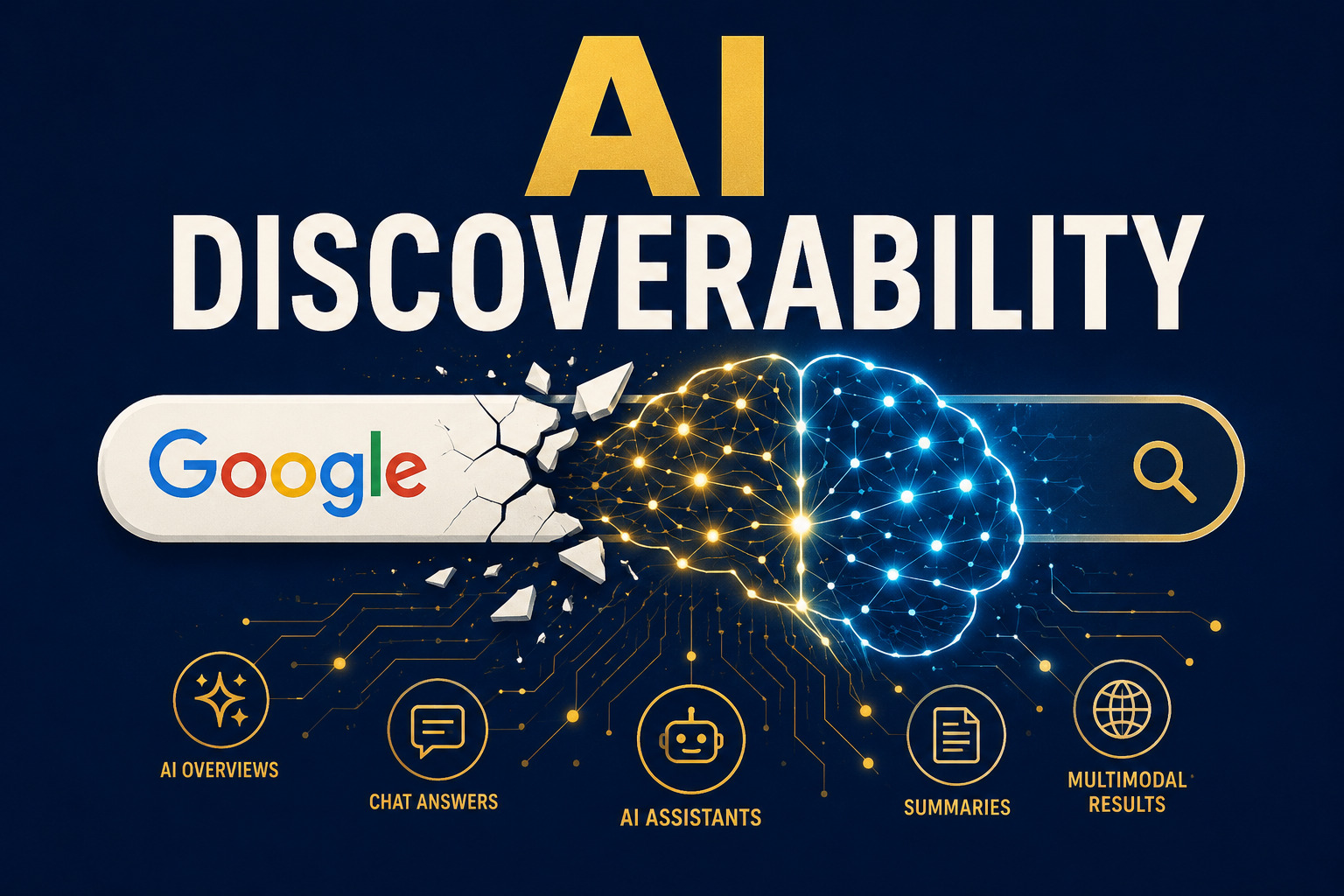
For years, SEO meant one thing: rank higher on Google. The formula was simple—target the right keywords, build links, optimize titles, and aim for page one. But that paradigm is shifting dramatically. In 2026, the core goal of search visibility will no longer be ranking pages on a search engine results page (SERP). Instead, it will be about making your brand discoverable, understandable, and citable by AI systems that deliver answers before users even click.
At Antraajaal, a future-focused branding and digital marketing agency in Chandigarh, we see this shift not as a threat—but as the biggest opportunity brands have had in a decade.
Search Is Becoming Answer-First, Not Link-First
Traditional search engines have always ranked content for humans to decide which result to click. Today’s AI-powered systems like Google’s AI Overviews, ChatGPT, Gemini, and other conversational interfaces synthesize responses directly from the web. These systems don’t just rank content—they interpret it and answer queries, often eliminating the need to click through entirely.
This change has profound implications:
- Zero-click search behavior is now widespread as AI summaries satisfy user queries instantly.
- Organic click-through rates drop significantly when AI answers appear.
- Search visibility is increasingly about being chosen as a trusted source in an AI summary.
According to McKinsey, half of consumers now use AI-powered search tools, and this trend is expected to funnel hundreds of billions of dollars in revenue through AI search by 2028.
So What Is AI Discoverability?
AI Discoverability is the practice of making your content legible to generative search engines and AI answer systems. It goes beyond keyword rankings and focuses on:
- Entity clarity: AI models look for identifiable topics, people, organizations, and concepts—entities—instead of individual keywords.
- Structured content: Clear definitions, headings, FAQs, and schema markup help AI parse and extract information.
- Authoritative signals: Trustworthy data, citations, and expert context increase the likelihood AI will cite your content.
- AI-ready formatting: Concise explanations, TL;DR summaries, and answer blocks make your content answerable.
In contrast to traditional SEO, which prioritizes textual signals like keyword density, AI discoverability prioritizes semantic understanding—how well an AI system can “comprehend” the meaning and context of your content.
From Ranking to Being Cited: A New KPI
One of the defining shifts of 2026 is that visibility inside AI answers matters more than traditional page rankings. In this environment:
“Ranking #1 on a search engine results page is no longer the ultimate goal; visibility inside AI answers is.”
— SEO strategist Janet Bartoli, LinkedIn pulse article.
This doesn’t mean traditional SEO is dead—far from it. But it does mean that SEO must evolve into something broader and more foundational.
Generative Engine Optimization (GEO): The Next Frontier
Many experts now describe the evolution of SEO in terms like Generative Engine Optimization (GEO) or Answer Engine Optimization (AEO). These terms reflect the reality that brands must optimize content not just to be indexed but to be selected by AI as a credible answer source.
Here’s how that plays out:
- Zero-click optimization: Create content that serves complete answers directly in AI summaries.
- Entity-first architecture: Organize content around core concepts and relationships rather than just keywords.
- Structured data: Use schema to help AI interpret your content accurately.
- Citations and trust signals: Include sources, credentials, and verifiable facts that AI systems can use to justify answers.
Behavioral Evidence: Users Are Changing Search Habits
Academic research supports this shift. A large-scale experiment published on arXiv shows that generative AI search systems influence how users trust and interact with information, and that citations significantly increase trust—even when other elements are uncertain.
The evidence is clear: if AI systems don’t trust your content, users won’t either.
A Roadmap for Brands in 2026
To thrive in the age of AI discoverability:
- Audit your content for semantic structure—define your entities, topics, and relationships clearly.
- Build content that answers questions directly, covering intent comprehensively.
- Use schema and structured markup to give AI systems clear signals.
- Earn citations in trusted publications and authoritative databases.
- Track presence inside AI Overviews and chat summaries as a key KPI.
In 2026, visibility will mean more than ranking—it will mean being selected and cited by the very AI systems shaping how people find information. Mastering AI discoverability is no longer optional; it’s essential for visibility, credibility, and influence in the modern digital landscape.

Written by
Dr. Deepika Bahri
Dr. Deepika Bahri is a passionate Branding and Digital Marketing expert with a Doctorate in Marketing, specializing in Brand Strategy and Digital Transformation. With over Two Decades of experience in the media, advertising, and communication industry, she brings a unique blend of academic insight and real-world business acumen. She has also been honored with an Honorary Doctorate for her contribution to Women Empowerment, recognizing her efforts in mentoring, uplifting, and creating platforms for women-led enterprises. Currently serving as the CEO of Antraajaal, a leading branding and advertising agency, Dr. Bahri is committed to sharing insights on branding, marketing strategy, women leadership, and digital growth through her writing and speaking engagements.
Need Expert Guidance?
Antraajaal builds purpose-led brand identities for serious businesses.
Brand strategy, identity and digital presence — one integrated system, built to lead across North India.
Our Services