 Dr. Deepika Bahri
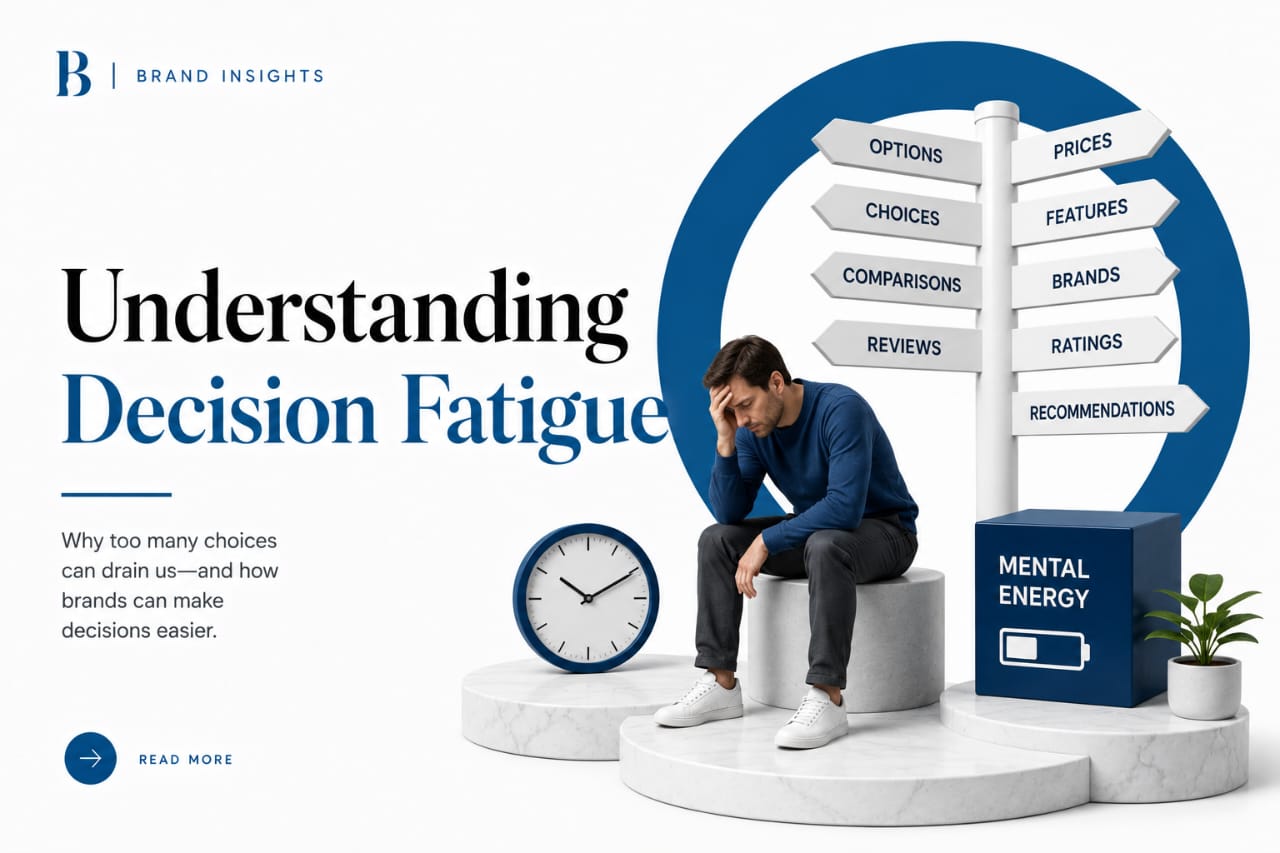
There is now a staggering choice that every consumer has to make every day. From morning cereals to deciding which streaming service to subscribe to, this phenomenon is popularly known as decision the point at which after a prolonged period of making decisions, the quality of the decisions declines. This blog discusses the mechanisms that govern decision fatigue and how it impacts consumer behaviour.
Decision Fatigue occurs when the mental energy required to make a series of decisions is depleted. The more decisions that are made within the day, the less and less one can think of their options and thus not make the best decisions; instead, shortcuts such as avoiding a decision at all, not changing the status quo, or making an impulsive judgment more appealing.
1. The Psychology Behind It
Decisions within our brains are finite and occur daily, and all decisions, small or big, use the same cognitive resources. Brain clients search for ways to conserve energy as these supplies run low. It often leads to less intentional decision-making, which includes picking popular brands or succumbing to attractive marketing tactics. People may suffer from choice overload, a condition in which they have too many alternatives and become paralyzed by analysis. Variety may overwhelm customers rather than empower them, making them put off purchases or refrain from making any selections at all.
2. How It Influences Purchase Decisions
a. Simplified Options Attract Attention:
Consumers who are weary of making decisions are lured to goods and services that reduce the complexity of their options. Businesses that provide well-chosen solutions or package them together frequently get better outcomes from weary customers. This explains the attractiveness of subscription services or streamlined pricing structures like Apple’s one-size-fits-all strategy.
b. Predilection for Well-Known Brands:
When faced with decision fatigue, Consumer Behaviour frequently turns to well-known brands they have previously used. Comfort comes from familiarity, which also reduces the mental strain of making a new choice. This is why when decision fatigue sets in, brand loyalty may be especially potent.
3. A Rise in Impulsive Acquisitions
Customers are more inclined to make impulsive purchases when they are emotionally worn out. Weakening their capacity to balance advantages and disadvantages, they can choose foods or rapid fashion that satisfy them right away. Retailers sometimes take advantage of this by setting up alluring merchandise at checkout counters or by running temporary promotions.
4. Postponement of Decision
At times, customers prefer to avoid a purchase altogether if they cannot find something perfect. This can mean that online shoppers abandon their shopping carts or put off significant purchases such as gadgets or vehicles. The easiest action is to avoid the option completely if it looks very difficult or time-consuming. Companies need to implement tactics that streamline the decision-making process to avoid decision fatigue in brands and to avoid overwhelming Consumer Behaviour.
a. Limit alternatives:
Providing customers with fewer, more straightforward alternatives might make them feel less overwhelmed. For instance, Google’s product range stands apart from other tech businesses because it is simple and offers a limited number of models and options.
b. Selected Suggestions:
The process of making decisions can be lessened with the use of tailored recommendations derived from customer behavior. For example, Netflix makes program recommendations based on algorithms, saving viewers from becoming tired of browsing through selections all the time.
c. Clear Information:
Customers can make decisions more quickly and confidently without being overwhelmed by the fine print when product information is made simple and emphasizes its main features.
In summary
Decision fatigue is an inescapable problem for consumer behaviour and organisations in a world where options appear limitless. Consumer behaviour tends towards familiarity, impulsivity, and simplicity when mental resources are depleted. In the end, brands who understand this and provide products that lessen cognitive burden will have an advantage over competitors and help customers make decisions that feel right.
Both Consumer Behaviour and organizations can traverse the large sea of alternatives with greater ease and less stress now that decision fatigue is well understood.
For more such Insights, stay updated with:Antraajaal.com
Also Read:
Brand Loyalty & its Psychology
The Human Essence in Brand Identity

Written by
Dr. Deepika Bahri
Dr. Deepika Bahri is a passionate Branding and Digital Marketing expert with a Doctorate in Marketing, specializing in Brand Strategy and Digital Transformation. With over Two Decades of experience in the media, advertising, and communication industry, she brings a unique blend of academic insight and real-world business acumen. She has also been honored with an Honorary Doctorate for her contribution to Women Empowerment, recognizing her efforts in mentoring, uplifting, and creating platforms for women-led enterprises. Currently serving as the CEO of Antraajaal, a leading branding and advertising agency, Dr. Bahri is committed to sharing insights on branding, marketing strategy, women leadership, and digital growth through her writing and speaking engagements.
Need Expert Guidance?
Antraajaal builds purpose-led brand identities for serious businesses.
Brand strategy, identity and digital presence — one integrated system, built to lead across North India.
Our Services