 Dr. Deepika Bahri

Branding is often discussed in the same breath as marketing budgets, campaign calendars, and short-term outcomes. It is reviewed quarterly, measured narrowly, and expected to justify itself quickly.
Yet one of the most consistent ideas running through Brands and Branding is that branding operates on a fundamentally different timeline. It is not an activity. It is an asset.
This distinction matters more than it appears.
The Difference Between Spend and Value
Marketing spend is transactional. It delivers visibility, traffic, or leads for a defined period of time. When the spending stops, the effect usually stops with it.
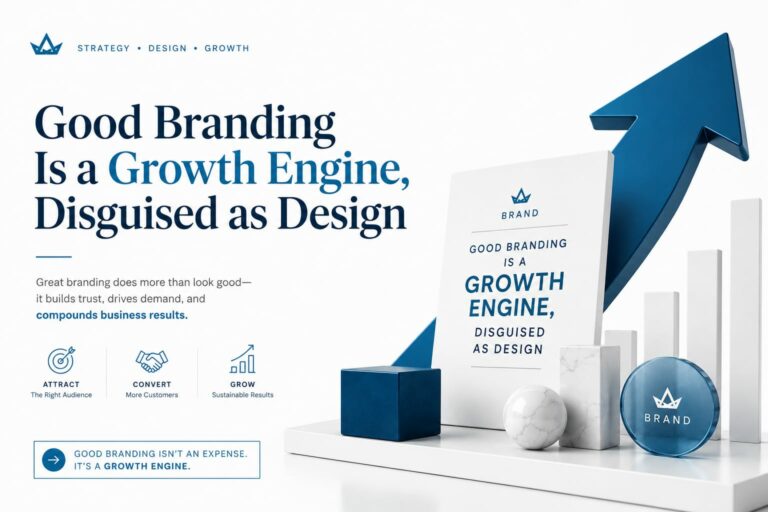
Branding, by contrast, accumulates. It shapes perception, preference, and trust over time. These qualities do not disappear when a campaign ends—they compound.
The book repeatedly positions brand equity as something that strengthens decision-making, reduces friction, and influences choice long after individual touchpoints are forgotten.
Why Branding Is Often Judged Too Early
One of the challenges with branding is that its impact is rarely immediate. Businesses accustomed to performance metrics often struggle with this lag.
When branding is evaluated using short-term marketing measures, it appears inefficient. But when evaluated as a business asset—one that influences pricing power, loyalty, and resilience—it becomes indispensable.
The book’s original author, Rita Clifton, frames branding as a long-term investment precisely because of this delayed but durable impact.
Strong Brands Reduce the Cost of Growth
A well-established brand does more than attract attention—it simplifies growth. Trust lowers the cost of acquisition. Recognition accelerates decision-making. Credibility reduces the need for explanation.
These efficiencies are rarely itemised, yet they directly affect profitability.
Brands that invest consistently in clarity and reputation often spend less convincing their audience—and more time serving them.
What This Looks Like in Practice
Working with organisations through Antraajaal, a branding agency in Chandigarh and serving businesses across North India, this shift in perspective is often the most valuable outcome of branding work.
When leaders begin to see branding as an asset:
- Decisions become more deliberate
- Short-term pressures are balanced with long-term intent
- Branding stops being questioned every quarter
This change in mindset alone strengthens the brand.
The Hidden Cost of Treating Branding as an Expense
When branding is viewed purely as a cost, it becomes vulnerable. Budgets shrink, direction shifts, and consistency breaks.
Over time, this erosion weakens trust—often invisibly at first. The brand may still be active, but it loses its ability to command preference or loyalty.
The book reinforces that while branding may not always show immediate returns, neglecting it always has consequences.
Closing Thought
Marketing spends to be noticed.
Branding invests to be remembered.
And in the long run, remembrance is what creates value.

Written by
Dr. Deepika Bahri
Dr. Deepika Bahri is a passionate Branding and Digital Marketing expert with a Doctorate in Marketing, specializing in Brand Strategy and Digital Transformation. With over Two Decades of experience in the media, advertising, and communication industry, she brings a unique blend of academic insight and real-world business acumen. She has also been honored with an Honorary Doctorate for her contribution to Women Empowerment, recognizing her efforts in mentoring, uplifting, and creating platforms for women-led enterprises. Currently serving as the CEO of Antraajaal, a leading branding and advertising agency, Dr. Bahri is committed to sharing insights on branding, marketing strategy, women leadership, and digital growth through her writing and speaking engagements.
Need Expert Guidance?
Antraajaal builds purpose-led brand identities for serious businesses.
Brand strategy, identity and digital presence — one integrated system, built to lead across North India.
Our Services